Proverbs 10:29-30: "The way of the LORD is a refuge for the righteous, but it is the ruin of those who do evil. The righteous will never be uprooted, but the wicked will not remain in the land."
One thing that is a certain truth is that God's way (i.e. His sovereign, supreme will) will prevail. And all of us would be wise to see that the blessedness of life, both now and in eternity, will be impacted by the way we respond to this truth. Those who would yield themselves to the way of the Lord will find refuge. It is a wonderful sanctuary, for those who are obedient to the King of Glory are assured of His favor, His blessing, and His abiding presence. These righteous ones will never be shaken or uprooted from His protective hand; and for this reason, they will stand secure in His power for all eternity (see Romans 8:38-39, Proverbs 10:25b).
Conversely, those who obstinately defy the will of the Lord will only find ruin. As the storm surge of God's wrath is poured out in its fullest measure, the wicked will be swept away (see Proverbs 10:25a). They never will experience the joy of His favor and His blessing; rather, God Himself will be their worst dread, as He judges them for their abject rebellion against His rightful reign . . . and that dread will overtake them (Proverbs 10:24). And whereas the righteous will inhabit the very eternal Promised Land that is granted to those who would receive God's amazing grace, the wicked will not be permitted to abide there. They will be uprooted and thrown into the place where the fullness of God's judgment will be poured out upon them.
C.S. Lewis in his work, The Weight of Glory, has penned a provocative reflection on this very reality:
"In the end, that Face which is the delight or the terror of the universe must be turned upon each of us either with one expression or the other, either conferring glory inexpressible or inflicting shame that can never be cured or disguised."
So, if we have yielded ourselves to His Lordship and received His gift of pardon through Jesus Christ, let us respond with awe and gratitude that we have received the fullness of His love and the declaration of adoption as His children (I John 3:1). And in response to this awesome reality, let us do as Proverbs 16:3 tells us . . . let us "commit to the LORD (in) whatever (we) do." The word "commit" can be translated "roll," and to roll, we must first be low and we must be moving. Let us fall before the LORD in humility and surrender. Let us not think ourselves too highly or attempt to assert our own wills above His own. And let us move ever closer to Him in a spirit of contrition and obedience, knowing that this is how we demonstrate our love for Him (John 14:23).
Friday, February 6, 2015

Wednesday, February 4, 2015
Revering the Sacrifices of Others
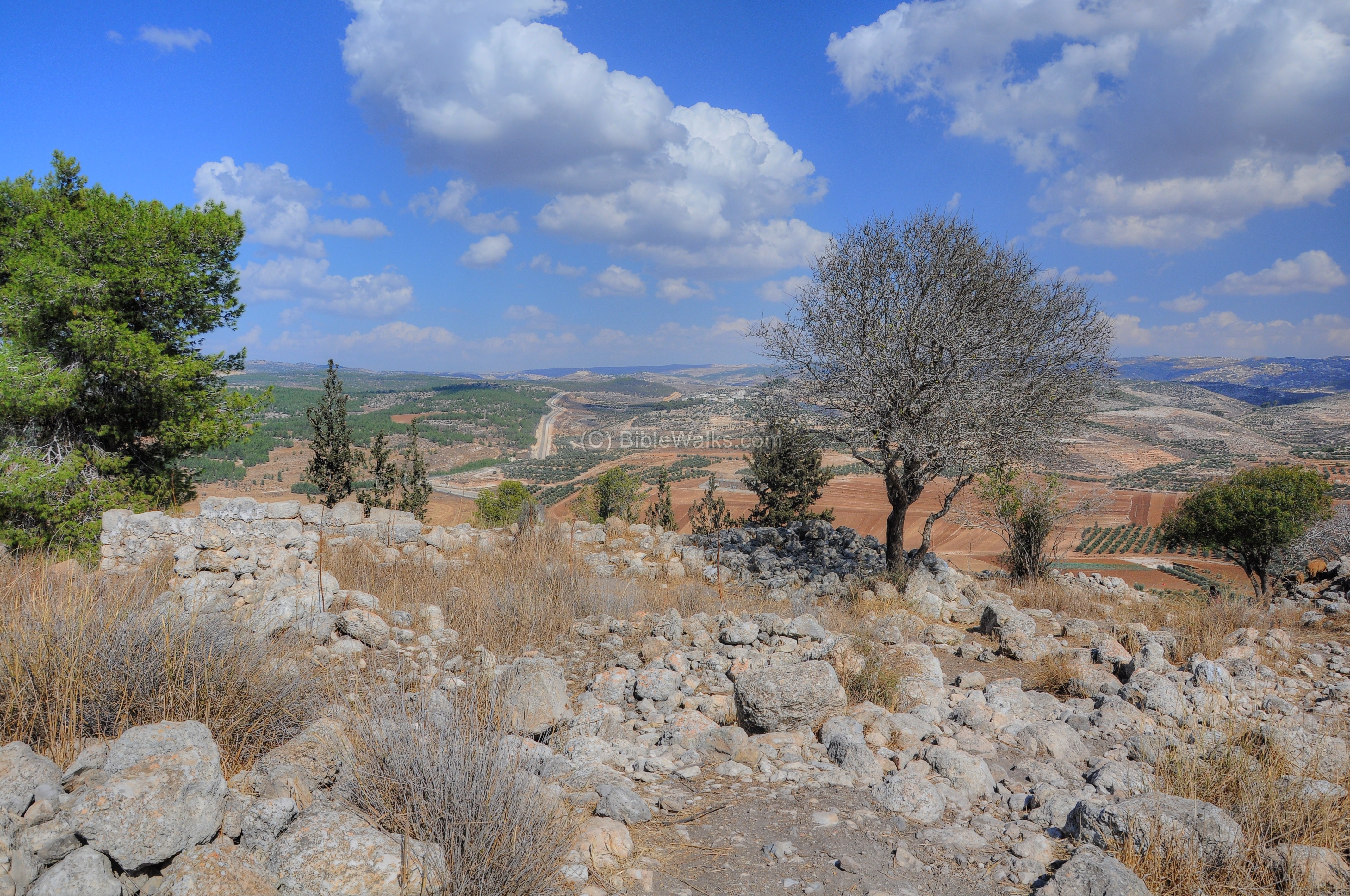
Photo Courtesy of biblewalks.com
The events that occurred in this passage have been attributed to the time when David had just become king over Israel (see 2 Samuel 5). When the Israelites fiercest enemy at that time, the Philistines, heard of David's coronation as king in the town of Hebron, they went up "in full force" to find (and presumably destroy) him, and they camped in the Valley of Rephaim. David was notified of his enemies' intent, and he removed himself beyond the encampment of the Philistines to the stronghold mount of Adullam where amongst the caves he would spend time with the Lord and inquire as to his military movements against the Philistines. David was very intentional at petitioning the Lord as to whether he should move against his enemy and the method in which he should do so. God first gave Him the blessing to attack, which David did at Baal Perazim (place which means "the lord who breaks out") and had such victory that in a hasty retreat the Philistines left their idols behind. And then a second time, David inquired of the Lord, who told the king not to make a direct assault against the Philistines, but rather they were to circle around their enemy and attack from the rear. God instructed David to wait for the sound of marching troops marching in the tops of the balsam trees as evidence that the Lord had gone before His people to strike down the Philistine army. David was obedient to the Lord's command, and God gave him such victory that he drove the enemy north and westward over 15 miles to Gibeon and Gezer. It was a huge military victory for the Israelites.
Even so, there was a period of time that David had to wait before God summoned the king to advance on the Philistines. As David awaited word from the Lord, he looked across the valley eastward from Adullam toward his homeland of Bethlehem, and he yearned for a drink of water from the well near the gate of Bethlehem. As one looks at the picture above, one can imagine David looking back toward the land where he was born and reared, longing to be there but knowing that the enemy was impeding this passionate desire. And anyone from the Israelite camp so daring to wander through the Valley of Rephaim (where the Philistines were) to Bethlehem (where a Philistine garrison was) would be doing so at almost certain risk of death. Still, three of David's mighty men heard their king and made the decision to risk their lives and break through the enemy lines in order to secure the very water of David's hometown.
When the three returned from their emboldened pursuit for the king, David refused to drink the water. He knew what great sacrifice these three made to cross enemy lines to secure what he longed to have. And instead of quickly consuming the gift to gratify himself, David instead offered the drink as a libation to the LORD. David would not treat such sacrifice with contempt, just to satisfy his own desires; he revered too much the valor and courage of the men who gave it to him. And for this reason, he gave it to the Lord.
This is a good word for us, for we see in the king a reverence for acts of love demonstrated toward him. Rather than trivializing the gift, David offered it to the Lord, who was worthy of such a gift. When we ourselves receive gifts of love and sacrifice from others, how do we respond? When we see circumstances in our lives act like formidable enemies, impeding the longings of our hearts, only then to find a friend coming to our rescue to bridge us to blessings, do we celebrate their selfless acts of kindness and devotion? And on the other hand, are we willing to place our own lives on the line to help others who are struggling with painful ordeals and yearn for the waters of blessing in their lives?
Most importantly, do we see the desires of our King, Jesus Christ, as expressed in His Holy Word, and do we desire to fulfill His longing for us by sacrificing ourselves to bring Him glory? Are we willing to put everything on the line to satisfy the longing of His heart? Much like David pouring out the water as an act of worship to the Lord, so may we see that when we serve the Lord, we are expressing through our sacrifices our worship to Him as an expression of love and thankfulness for all that He already has done and continues to do in and through us.
Most importantly, do we see the desires of our King, Jesus Christ, as expressed in His Holy Word, and do we desire to fulfill His longing for us by sacrificing ourselves to bring Him glory? Are we willing to put everything on the line to satisfy the longing of His heart? Much like David pouring out the water as an act of worship to the Lord, so may we see that when we serve the Lord, we are expressing through our sacrifices our worship to Him as an expression of love and thankfulness for all that He already has done and continues to do in and through us.
Tuesday, February 3, 2015
When Personal Benefit Sways One From Truth (and Life)
Matthew 28:12-15: "When the chief priests had met with the elders and devised a plan, they gave the soldiers a large sum of money, telling them, 'You are so say, 'His disciples came during the night and stole him away while we were asleep.' If this report gets to the governor, we will satisfy him and keep you out of trouble.' So the soldiers took the money and did as they were instructed. And this story has been widely circulated among the Jews to this very day."
Every time I read this account of the events following the resurrection of Jesus Christ, I am quite perplexed concerning the actions of the soldiers in their interaction with the chief priests in Jerusalem. These guards had been placed at the tomb by the Pharisees, who knew that Jesus had promised that after three days He would rise again. So troubled were these religious figures at the possibility of the One they called "the imposter" having his body stolen by His disciples and then venerated into the very divine one He claimed to be, that they requested that Pilate approve the posting of guards at the tomb. Pilate agreed to the Pharisee's request, and they made haste to seal the stone and to set guard over it.
All four gospels record the resurrection of Jesus Christ from the grave, but only the gospel of Matthew records the events that occurred at the time of the stone's removal. The soldiers had seen the angel of the Lord, who had come down from Heaven, rolled back the stone, and sat upon it (John's gospel uses the Greek word, hermenon, which suggests that the angel adorned with brilliant light, lifted and threw the stone away . . . a pretty powerful scene for sure!). The events were so overwhelming to the soldiers that they shook in fear and fainted, becoming like dead men. One would think that this spectacular work of our Redeeming Lord would have made such an indelible mark on the guards, that they would have at that instant given their lives to Jesus Christ as their Savior and King.
What we do find in Matthew's text is that SOME rather than all of the guards went into the city and reported to the chief priests everything that had happened (Matt. 28:11). The chief priests immediately assembled the elders for a counsel meeting and determined to manipulate these guards with fear and bribery. So darkened were these religious leaders, that rather than investigating the veracity of the events as shared by the guards, they resolved to put an end to the rumor of Jesus' resurrection. Specifically, the religious leaders told the guards present to tell people that Jesus' disciples came in the night while they were sleeping and stole the body. The priests then told the guards that they would go and appease the governor so that nothing terrible would befall them for their not fulfilling their responsibility to guard the tomb. And then to sweeten the deal, the priests offered a some of money to these guards to incentivize their lying about the circumstances. These measures by the chief priests were as dark as their prior response to Jesus raising Lazarus from the grave, when they determined to kill Jesus and to kill the raised Lazarus as well to get rid of the miraculous evidence of Jesus as the true Messiah (John 11:53; 12:10).
The fact that the guards would accept the bribe and perpetuate the lie about the events of the resurrection says much about the sinister nature of these guards. Rather than celebrating the hope of the promised Messiah, coming into the world and fulfilling the prophecies of the Old Testament (see Psalm 16:10 as an example), these guards were opportunists and self-preservationists. They saw the opportunity to exploit the situation for monetary gain and they took the offering. They too realized that their very lives could be on the line if the governor believed that they had failed their post, and so they seemed to appreciate the "graciousness" of the priests in offering to go and assuage the anger of Pilate in response to the dereliction of their duties. The consumption of "self" superceded their supportive response to Jesus as Lord. Their actions revealed who really was on the throne of their lives!
This is a good word for us today. We know that Jesus has risen from the grave; and by doing so, He has conquered sin and death. It is by His death and resurrection that we have the hope of eternal life, if we would surrender ourselves to His Lordship over us, repent of our sins against Him, and receive His offering of grace through His death and resurrection. Sadly, there will be those self-consumed opportunists who will refuse the truth because it does not bring the personal benefits that they desire most of all. Those who seek to exalt themselves and satisfy their desires above the King of kings will reply much like those certain guards who believed that the better option was to gain personal wealth and protection rather than profess Christ as Lord.
May we never find ourselves like the guards mentioned in this text; for we know that they again would see the exalted, risen Lord in eternity. And if they never yielded themselves to Christ as Lord, then the Christ that they would see would be the wrathful Judge over all, who would pronounce damnation for their cosmic treason against Him and their forsaking His offering of mercy and grace that would have saved their souls from eternal death.
Every time I read this account of the events following the resurrection of Jesus Christ, I am quite perplexed concerning the actions of the soldiers in their interaction with the chief priests in Jerusalem. These guards had been placed at the tomb by the Pharisees, who knew that Jesus had promised that after three days He would rise again. So troubled were these religious figures at the possibility of the One they called "the imposter" having his body stolen by His disciples and then venerated into the very divine one He claimed to be, that they requested that Pilate approve the posting of guards at the tomb. Pilate agreed to the Pharisee's request, and they made haste to seal the stone and to set guard over it.
All four gospels record the resurrection of Jesus Christ from the grave, but only the gospel of Matthew records the events that occurred at the time of the stone's removal. The soldiers had seen the angel of the Lord, who had come down from Heaven, rolled back the stone, and sat upon it (John's gospel uses the Greek word, hermenon, which suggests that the angel adorned with brilliant light, lifted and threw the stone away . . . a pretty powerful scene for sure!). The events were so overwhelming to the soldiers that they shook in fear and fainted, becoming like dead men. One would think that this spectacular work of our Redeeming Lord would have made such an indelible mark on the guards, that they would have at that instant given their lives to Jesus Christ as their Savior and King.
What we do find in Matthew's text is that SOME rather than all of the guards went into the city and reported to the chief priests everything that had happened (Matt. 28:11). The chief priests immediately assembled the elders for a counsel meeting and determined to manipulate these guards with fear and bribery. So darkened were these religious leaders, that rather than investigating the veracity of the events as shared by the guards, they resolved to put an end to the rumor of Jesus' resurrection. Specifically, the religious leaders told the guards present to tell people that Jesus' disciples came in the night while they were sleeping and stole the body. The priests then told the guards that they would go and appease the governor so that nothing terrible would befall them for their not fulfilling their responsibility to guard the tomb. And then to sweeten the deal, the priests offered a some of money to these guards to incentivize their lying about the circumstances. These measures by the chief priests were as dark as their prior response to Jesus raising Lazarus from the grave, when they determined to kill Jesus and to kill the raised Lazarus as well to get rid of the miraculous evidence of Jesus as the true Messiah (John 11:53; 12:10).
The fact that the guards would accept the bribe and perpetuate the lie about the events of the resurrection says much about the sinister nature of these guards. Rather than celebrating the hope of the promised Messiah, coming into the world and fulfilling the prophecies of the Old Testament (see Psalm 16:10 as an example), these guards were opportunists and self-preservationists. They saw the opportunity to exploit the situation for monetary gain and they took the offering. They too realized that their very lives could be on the line if the governor believed that they had failed their post, and so they seemed to appreciate the "graciousness" of the priests in offering to go and assuage the anger of Pilate in response to the dereliction of their duties. The consumption of "self" superceded their supportive response to Jesus as Lord. Their actions revealed who really was on the throne of their lives!
This is a good word for us today. We know that Jesus has risen from the grave; and by doing so, He has conquered sin and death. It is by His death and resurrection that we have the hope of eternal life, if we would surrender ourselves to His Lordship over us, repent of our sins against Him, and receive His offering of grace through His death and resurrection. Sadly, there will be those self-consumed opportunists who will refuse the truth because it does not bring the personal benefits that they desire most of all. Those who seek to exalt themselves and satisfy their desires above the King of kings will reply much like those certain guards who believed that the better option was to gain personal wealth and protection rather than profess Christ as Lord.
May we never find ourselves like the guards mentioned in this text; for we know that they again would see the exalted, risen Lord in eternity. And if they never yielded themselves to Christ as Lord, then the Christ that they would see would be the wrathful Judge over all, who would pronounce damnation for their cosmic treason against Him and their forsaking His offering of mercy and grace that would have saved their souls from eternal death.
Saturday, January 31, 2015
The Benefit of God's Punishment and Restoration
Ezekiel 11:11-12,17-20: "I (God) will execute judgment on you at the borders of Israel. Then you will know that I am the LORD. This city will not be a pot for you, nor will you be the meat in it; I will execute judgment on you at the borders of Israel. And you will know that I am the LORD. For you have not followed my decrees or kept my laws but have conformed to the standards of the nations around you . . . . This is what the Sovereign LORD says: 'I will gather you from the nations and bring you back from the countries where you have been scattered, and I will give you back the land of Israel again. They will return to it and remove all its vile images and detestable idols. I will give them an undivided heart and put a new spirit in them; I will remove from them their heart of stone and give them a heart of flesh. Then they will follow my decrees and be careful to keep my laws. They will be my people, and I will be their God.'"
Ezekiel was a prophet and priest who had been taken with many other Israelites into bondage at the hands of the Babylonians. King Josiah (a godly king that had removed pagan idols from Israel, had repaired the temple, and had God's Law read aloud), was tragically killed at the hands of the Egyptians at the Battle of Megiddo in 609 BC. His wicked son, Jehoiakim, was installed as a puppet king by the Egyptians; however, the Babylonians would soundly defeat the Assyrians and Egyptian alliance at the Battle of Carchemesh in 605 BC and would begin to wield their power and influence in the land of Canaan. A number of prominent nobles and their families were exiled to Babylon during this time (Daniel, Shadrach, Meshach, Abednego). King Jehoiakim in 597 BC attempted to rebel against the Babylonians, but this act brought even further retrobutive measures against the Israelites. King Jehoiakim would be killed, and the Babylonians would exile 10,000 more Jews from Palestine to Babylon, including Jehoiachin (Jehoiakim's son) and the prophet Ezekiel.
Despite being in exile, Ezekiel had a call from God to pronounce judgment upon the Jewish people for their continuous rebellion against the LORD. Though a number of radical displays, Ezekiel warned the Jewish people in Babylon that any hope of restoration of the Promised Land would not come until the people repented and acknowledged the One True Lord of Hosts. Sixty-five times, God decreed through His prophet that His judgment was to drive into the people's hearts of stone that they would not prevail in their rebellion; instead, they would know who was the Supreme Sovereign over all of creation.
In chapter 11, Ezekiel was taken by the Holy Spirit from captivity in Babylon to the eastern gate of Jerusalem to see what was happening in the land. He found key leaders of the people plotting evil and proclaming that the time of difficulty would soon be over. These leaders, who had been quite ruthless in their treatment of the people there, had begun prophesying a false hope that things would return to normal and they would begin to rebuild their houses. There was no acknowledgment of sin, just a declared conviction that things would magically return to normal . . . in effect, there would be no consequence for their wickedness.
God through His prophet Ezekiel, proclaimed that the very thing that these leaders feared would come upon them. God would bring the sword of the Babylonians to destroy them. The military might of Babylon would drive these people from the protective walls of Jerusalem, and they would perish by the sword. It would be then that these leaders and the people would know who the real God was and that they were being judged for conforming to the pagan ways of the nations around them.
Still, God was not finished with His people. Even though many had been taken captive and carted hundreds of miles from home . . . even there He was a sanctuary for them. And in keeping with His covenant that He had made to Abraham, God would gather a remnant from those far reaches and would return them to the Promised Land. And as these exiles returned to the land given to them by God, they then would acknowledge God as sovereign, would remove the detestable idols in their midst, and would be singularly focused in their devotion to the Lord. No longer would they have a hardened, stubborn heart of rebellion; rather, their hearts would be softened and receptive to God and His law. They would understand that rather than asserting their own wills (and in effect attempting to declare themselves their own lords), they would capitulate their selfish wills to God and surrender to His rightful reign over them.
This is a great word for us, for we recognize in these Israelites of Ezekiel's day our own proclivity toward rebellion and an assertion of our own quest for lordship. All of us have attempted to ururp God's rightful reign in our lives by sinning against Him. And as God brought judgment in the lives of the Israelites of Ezekiel's day to punishment them for their treason, so too God will not let us go unpunished for our rebellion against Him. Sin always brings the righteous wrath of the King of Kings, and we know that this wrath has been displayed not only in the curse of physical death for us, but also eternal separation from Him.
Were this the end of the story, it would paint a rather bleak future for us all. But this is where the love of God has been displayed through our Lord and Savior Jesus Christ. Because Jesus loves us and desired to show to us the "fullest extent of His love" (John 13:1), He came to the earth to die on a cross and pay the sin penalty that we could not pay ourselves. And by His glorious resurrection, He displayed His victory over sin and death and affords to us the opportunity of forgiveness and restoration with the Father. So too, God initiates a redemptive work in our lives by transforming our calloused hearts into softened, receptive hearts so that we will be responsive to His offering of grace. And for those who would receive such a precious salvation as this, God promises to be our God. He will grant to us the hope of eternal life with Him in His marvelous Promised Land.
Let us not be like the rebellious Israelites that determined to live their own lives the way that they desired and to worship whatever gods they chose. Instead, let us respond to God's lovingkindness ultimately displayed through His Son. And as we see our hearts becoming hearts of flesh, let us surrender our lives and our wills to His reign over us. Let us live our lives as an expression of awe and gratitude that we have not been left to the consequences of our sins. Let us praise the Lord, who is rich in love and mercy and who desires to be our God for all eternity.
Thursday, January 29, 2015
Does the Lord Cause Disaster?
Amos 3:6: "When a trumpet sounds in a city, do not the people tremble? When disaster comes to a city, has not the LORD caused it?"
The prophet Amos lived around 760 BC and was called to herald God's warnings of judgment to those in the region of Judah. Israel during that day was in a spirit of optimism and confidence, because they had experienced much prosperity during the robust reign of Jeroboam II (786-746 BC). Yet, just like generations before them, these people were swayed into worshipping pagan gods like the Canaanite storm god, Baal, who the pagan nations believed was responsible for fertility and great agricultural harvests. These Israelites too began to manipulate and abuse the egalitarian, covenantal stipulations found in the law, by embracing the feudal practices of the pagan nations. Suddenly, those who were with much financial means began to exploit the needy and impoverished, and a deep chasm opened between the exceptionally rich and the poor. It was for this reason that the prophet Amos (whose name means "load" or "burden") was summoned by God to warn the people of His imminent judgment if they did not repent of their idolatry, wickedness, and exploitation.
As Amos began his proclamation first against the neighboring pagan nations around Israel, one can imagine the smug, arrogant disposition of the people of Judah. After all, they were God's chosen people. They weren't expecting any such proclamation from a prophet of God, for they believed that they were immune from any punitive decrees from God. But suddenly, their pompous demeanor would change when the summary judgment would be decreed against them too. God through His prophet indicted the Israelites for "selling the righteous for silver and the needy for a pair of sandals . . . trampling on the heads of the poor, denying justice to the oppressed." So too they were excoriated by the prophet of God for engaging in inappropriate sexual behavior, thereby "profaning (God's) holy name." In their houses of sacred worship, the people of Judah brazenly enjoyed the bounty of their exploitations of others. And they even caused those who had vowed abstinence for God to break their vows, and they threatened any prophet who would decry or protest what they were doing.
In response to the people's wickedness and sacrilege, God would burst forth in His proclamation much like a roaring lion ready to attack its prey (1:2). He decreed that He would crush the wayward Israelites like a "cart crushes when loaded with grain" (2:13). God too reminded the people that they once were helpless and in utter dispair in bondage to the Egyptians, but God in His mercy rescued them and set them on a pilgrimage toward the Promised Land. They were the esteemed people of all the earth, and they should have responded with awe, thankfulness, and obedience; however, they chose to treat His favor and His blessings (which brought prosperity) with disdainful contempt. They were so brazen that they held religious feasts to God, offering burnt offerings to Him in an attempt to validate their supposed spirituality; but God was angered by their insidious acts of sacrilege. He told them to stop their ridulous singing and perfunctory worship. He did not want any of it, since their lives were full of injustice and righteousness. And it is for this duplicity that God vowed to punish them for all their sins (3:2). Even though the people were reaping the blessings of prosperity at the time of Amos' proclamations from God, the day was coming when God's wrath would overtake them, bringing disaster.
This is a good word for us today. We as a nation have received many blessings from the Lord, as we have experienced a level of prosperity and abundance like no other time in history. Still, if we were honest with ourselves, we can see how very similar to the people of Judah we are behaving as a nation. The way in which our nation treats God with contempt (even though many go through the perfunctory rituals of worship), and the way we exploit each other for personal gain is the indicting evidence that God will use against us, unless we repent and return to Him. We must once again embrace justice and righteousness, and appreciate that our liberation from the bondage of sin has come through His death and resurrection. His grace has given us hope, so let us repent of our waywardness and our exploitations, and turn again to the Lord. God is full of love and mercy, and He will pardon our sins and restore unto us the blessedness of His divine favor. If we forsake such an offering of forgiveness, we can only expect a coming day when disaster from the Lord will overtake us.
The prophet Amos lived around 760 BC and was called to herald God's warnings of judgment to those in the region of Judah. Israel during that day was in a spirit of optimism and confidence, because they had experienced much prosperity during the robust reign of Jeroboam II (786-746 BC). Yet, just like generations before them, these people were swayed into worshipping pagan gods like the Canaanite storm god, Baal, who the pagan nations believed was responsible for fertility and great agricultural harvests. These Israelites too began to manipulate and abuse the egalitarian, covenantal stipulations found in the law, by embracing the feudal practices of the pagan nations. Suddenly, those who were with much financial means began to exploit the needy and impoverished, and a deep chasm opened between the exceptionally rich and the poor. It was for this reason that the prophet Amos (whose name means "load" or "burden") was summoned by God to warn the people of His imminent judgment if they did not repent of their idolatry, wickedness, and exploitation.
As Amos began his proclamation first against the neighboring pagan nations around Israel, one can imagine the smug, arrogant disposition of the people of Judah. After all, they were God's chosen people. They weren't expecting any such proclamation from a prophet of God, for they believed that they were immune from any punitive decrees from God. But suddenly, their pompous demeanor would change when the summary judgment would be decreed against them too. God through His prophet indicted the Israelites for "selling the righteous for silver and the needy for a pair of sandals . . . trampling on the heads of the poor, denying justice to the oppressed." So too they were excoriated by the prophet of God for engaging in inappropriate sexual behavior, thereby "profaning (God's) holy name." In their houses of sacred worship, the people of Judah brazenly enjoyed the bounty of their exploitations of others. And they even caused those who had vowed abstinence for God to break their vows, and they threatened any prophet who would decry or protest what they were doing.
In response to the people's wickedness and sacrilege, God would burst forth in His proclamation much like a roaring lion ready to attack its prey (1:2). He decreed that He would crush the wayward Israelites like a "cart crushes when loaded with grain" (2:13). God too reminded the people that they once were helpless and in utter dispair in bondage to the Egyptians, but God in His mercy rescued them and set them on a pilgrimage toward the Promised Land. They were the esteemed people of all the earth, and they should have responded with awe, thankfulness, and obedience; however, they chose to treat His favor and His blessings (which brought prosperity) with disdainful contempt. They were so brazen that they held religious feasts to God, offering burnt offerings to Him in an attempt to validate their supposed spirituality; but God was angered by their insidious acts of sacrilege. He told them to stop their ridulous singing and perfunctory worship. He did not want any of it, since their lives were full of injustice and righteousness. And it is for this duplicity that God vowed to punish them for all their sins (3:2). Even though the people were reaping the blessings of prosperity at the time of Amos' proclamations from God, the day was coming when God's wrath would overtake them, bringing disaster.
This is a good word for us today. We as a nation have received many blessings from the Lord, as we have experienced a level of prosperity and abundance like no other time in history. Still, if we were honest with ourselves, we can see how very similar to the people of Judah we are behaving as a nation. The way in which our nation treats God with contempt (even though many go through the perfunctory rituals of worship), and the way we exploit each other for personal gain is the indicting evidence that God will use against us, unless we repent and return to Him. We must once again embrace justice and righteousness, and appreciate that our liberation from the bondage of sin has come through His death and resurrection. His grace has given us hope, so let us repent of our waywardness and our exploitations, and turn again to the Lord. God is full of love and mercy, and He will pardon our sins and restore unto us the blessedness of His divine favor. If we forsake such an offering of forgiveness, we can only expect a coming day when disaster from the Lord will overtake us.
Wednesday, January 28, 2015
Idolization of Self Brings God's Judgment
Obadiah 3-4: "The pride of your heart has deceived you, you who live in the clefts of the rocks and make your home on the heights, you who say to yourself, 'Who can bring me down to the ground?' Though you soar like the eagle and make your nest among the stars, from there I will bring you down."
The book of Obadiah, comprising only one chapter, is a scripted word of judgment by God against the Edomites. These nomadic people were descendents of Esau, the brother of Jacob; and just like their godless father who was willing to sell his own birthright for a single meal (Genesis 25:27-34; Hebrews 12:16), these people were consumed with self-gratification and self-indulgence . . . even if that meant rebelling against God and attempting to destroy His chosen people. G. Campbell Morgan has said of the Edomites, "they were the embodiment of practical, defiant godlessness, expressing itself in the deification of self, and the conviction that self was sufficient." And pastor Lloyd Ogilvie has said of the Edomites, "they were the materialists, whose security is in human power and possessions, acountable to no one but themselves, they perpetrate the cult of humanism . . . . There are no rules except to control others. Their motto is 'What's good is what makes me feel great.' Thus, they are the real enemies of God."
Throughout the history of the Edomites, one can find that they were obstructionists, continuously attempting to thwart what God desired to accomplish through the Jewish people. They attempted to impede the Israelites from entering the Promised Land (Numbers 20:21; Judg. 11:17); they too fought against David and Solomon (2 Sam. 8; I Kings 11). During the reigns of Jehosophat, Jehoram, Amaziah, and Ahaz, they attempted raids on God's chosen people in order to plunder and destroy them. Prophets like Jeremiah prophesied ultimate destruction for these enemies of God (Jeremiah 49:7-22).
In the context of Obadiah's written word, the Edomites would be judged for the way that they behaved at the time of Babylon's invasion of Judah. To be sure, God was judging His own people for their longstanding wickedness; however, the Edomites saw opportunity to exploit the Jews while they were being invaded. First, they permitted the Babylonians to invade and did nothing to stop them. The motivation was not so much fear of Babylon as it was the chance to pilfer the Israelites of things that their hearts coveted. They celebrated the calamity of the Jewish people, and gambled with each other over the possessions that they took (Obad. 12-13).
Ultimately, God would vindicate His people, and He would bring such destruction upon the Edomites that they would be like stubble that is completely destroyed by fire. God would use the Israelites to be the fire that would bring destruction upon these enemies of God. And even though the Edomites believed that their homes were impenetrable (they lived in clefts of rocks and upon the heights east of the Jordan River), God would bring them down (Obad. 4). For those whose legacy had been ransacking and pillaging God's people and impeding them from entering and enjoying the Promised Land, God would hold them to account. He would bring swift and utter shame and destruction to them (Obad 10).
This is a good word for the people of God (i.e. those who have placed their faith and trust in Jesus Christ as Lord). We know that we live in a world where many have not surrendered their lives to the Lordship of Christ; instead, they are self-indulging, self-idolizing people who seek opportunities to exploit and pilfer the people of God. We may find that life seems to be unfair due to their sinister ways, and we wonder where God is in the midst of these trials. We must remember that God is not oblivious to these events; much like His observance of the Edomites during the days of Obadiah, so too God is keeping watch over those who perpetrate evil against God's people. He will not allow the guilty to go unpunished!
The ancient historian, Origen, writes that within five years of the Edomites' exploitation of the Israelites during the Babylonian invasions, they themselves would come under attack in a successive wave of military advances by the Chaldeans, the Greeks under Alexander the Great, the Nabateans, and the Romans. These attacks were so cumulatively destructive that by the 3rd century AD, the Edomites were no longer recognized as a nation. Their destruction was swift, and it was complete.
May we who continue to follow the Lord, know that He never is unaware of our circumstances, but He will vindicate us by destroying the enemies that would desire to exploit and destroy us. So, in God should we place our hope, no matter what trials we are facing.
The book of Obadiah, comprising only one chapter, is a scripted word of judgment by God against the Edomites. These nomadic people were descendents of Esau, the brother of Jacob; and just like their godless father who was willing to sell his own birthright for a single meal (Genesis 25:27-34; Hebrews 12:16), these people were consumed with self-gratification and self-indulgence . . . even if that meant rebelling against God and attempting to destroy His chosen people. G. Campbell Morgan has said of the Edomites, "they were the embodiment of practical, defiant godlessness, expressing itself in the deification of self, and the conviction that self was sufficient." And pastor Lloyd Ogilvie has said of the Edomites, "they were the materialists, whose security is in human power and possessions, acountable to no one but themselves, they perpetrate the cult of humanism . . . . There are no rules except to control others. Their motto is 'What's good is what makes me feel great.' Thus, they are the real enemies of God."
Throughout the history of the Edomites, one can find that they were obstructionists, continuously attempting to thwart what God desired to accomplish through the Jewish people. They attempted to impede the Israelites from entering the Promised Land (Numbers 20:21; Judg. 11:17); they too fought against David and Solomon (2 Sam. 8; I Kings 11). During the reigns of Jehosophat, Jehoram, Amaziah, and Ahaz, they attempted raids on God's chosen people in order to plunder and destroy them. Prophets like Jeremiah prophesied ultimate destruction for these enemies of God (Jeremiah 49:7-22).
In the context of Obadiah's written word, the Edomites would be judged for the way that they behaved at the time of Babylon's invasion of Judah. To be sure, God was judging His own people for their longstanding wickedness; however, the Edomites saw opportunity to exploit the Jews while they were being invaded. First, they permitted the Babylonians to invade and did nothing to stop them. The motivation was not so much fear of Babylon as it was the chance to pilfer the Israelites of things that their hearts coveted. They celebrated the calamity of the Jewish people, and gambled with each other over the possessions that they took (Obad. 12-13).
Ultimately, God would vindicate His people, and He would bring such destruction upon the Edomites that they would be like stubble that is completely destroyed by fire. God would use the Israelites to be the fire that would bring destruction upon these enemies of God. And even though the Edomites believed that their homes were impenetrable (they lived in clefts of rocks and upon the heights east of the Jordan River), God would bring them down (Obad. 4). For those whose legacy had been ransacking and pillaging God's people and impeding them from entering and enjoying the Promised Land, God would hold them to account. He would bring swift and utter shame and destruction to them (Obad 10).
This is a good word for the people of God (i.e. those who have placed their faith and trust in Jesus Christ as Lord). We know that we live in a world where many have not surrendered their lives to the Lordship of Christ; instead, they are self-indulging, self-idolizing people who seek opportunities to exploit and pilfer the people of God. We may find that life seems to be unfair due to their sinister ways, and we wonder where God is in the midst of these trials. We must remember that God is not oblivious to these events; much like His observance of the Edomites during the days of Obadiah, so too God is keeping watch over those who perpetrate evil against God's people. He will not allow the guilty to go unpunished!
The ancient historian, Origen, writes that within five years of the Edomites' exploitation of the Israelites during the Babylonian invasions, they themselves would come under attack in a successive wave of military advances by the Chaldeans, the Greeks under Alexander the Great, the Nabateans, and the Romans. These attacks were so cumulatively destructive that by the 3rd century AD, the Edomites were no longer recognized as a nation. Their destruction was swift, and it was complete.
May we who continue to follow the Lord, know that He never is unaware of our circumstances, but He will vindicate us by destroying the enemies that would desire to exploit and destroy us. So, in God should we place our hope, no matter what trials we are facing.
Monday, January 26, 2015
Receiving God's Strength
Daniel 10:17-18: "How can I, your servant, talk with you, my lord? My strength is gone and I can hardly breathe. Again the one who looked like a man touched me and gave me strength. 'Do not be afraid, O man highly esteemed,' he said. 'Peace! Be strong now; be strong.' When he spoke to me, I was strengthened and said, 'Speak, my lord, since you have given me strength.'"
Daniel is an amazing prophet of God that had been taken into captivity by the Babylonians (ca. 605 bc), and was required to serve the king there. To be sure, he would face a number of challenges throughout his time in Babylon. During the reign of Nebuchadnezzer, Daniel and the other sages were threatened with execution were it not for God giving Daniel the ability to interpret the king's dream that he had. There too was the time that Daniel's associates, Shadrach, Meshach, and Abednego were placed in the fiery furnace for failing to pay homage to the golden idol that Nebuchadnezzar had built on the plains of Dura. Then again, we find Daniel (now much older) being placed in a lion's den for violating the Medo-Persian King Darius' decree not to pray to any god or man other than Darius himself.
In Daniel 10, Daniel has a amazing encounter with God; in fact, it was so overwhelming that Daniel could not catch his own breath. The prophet highly esteemed by God turned deathly pale at God's vision to him, and even those around him were overwhelmed with terror and hid themselves, even though they did not see the vision of the Lord directly. Daniel's strength failed him, as he was quite afraid. Then the Lord touched the prophet and gave him renewed strength. The Lord too called out that Daniel have peace and commanded him to be strong! Daniel then was ready to receive a word from the Lord, for he sensed within himself that his strength had been restored.
What is interesting is that Daniel had received a prior vision of a great war that was so dreadful that he mourned for three weeks, refusing choice foods and lotions that were at his disposal. God heard the prayers of the saddened prophet from the very beginning of his determination to gain understanding and to humble himself before God; however, it was only until later that Daniel would have a messenger sent to explain the things to come. Part of the explanation given was the spiritual battle that was waging against the Prince of Persia (representative of the forces of evil) and the Lord's forces. The messenger had made his way to Daniel, and because the prophet was strengthened and receptive to a word from God, the messenger was ready to give instruction from the Book of Truth.
Although this text is not the easiest passage to understand, there are several important things that we can glean from it. First, we find that Daniel was considered a man high esteemed by God (10:11,19), and he denied himself the comforts of life when he needed a word of truth and revelation from the LORD. Secondly, he was overwhelmed by the awesome encounter with God; and even though he did not receive an immediate response from the Lord, he was persistent in his focused determination to hear from God, and he humbled himself as he prepared for an encounter with God. And although Daniel was overwhelmed when God spoke to him, the prophet received strength from the LORD and then his heart was open to hear the word of truth from God.
The questions we must ask ourselves as we read this text are . . . (1) Do we find that we living our lives with such godliness and righteousness that God considers us highly esteemed? (2) Do we deny ourselves and humble ourselves so that we might hear a fresh word of revelation and instruction from God? (3) Are we persistent and yet patient to wait for God to come to us and reveal His abiding truth? (4). Do we realize that we need the strength of God and the truth of God to live our lives to their fullest?
It would be good for us to learn from Daniel's encounter with God in Daniel 10, for it is God who gives us the strength to press on to do the work of obedience that He has called us to do.
Daniel is an amazing prophet of God that had been taken into captivity by the Babylonians (ca. 605 bc), and was required to serve the king there. To be sure, he would face a number of challenges throughout his time in Babylon. During the reign of Nebuchadnezzer, Daniel and the other sages were threatened with execution were it not for God giving Daniel the ability to interpret the king's dream that he had. There too was the time that Daniel's associates, Shadrach, Meshach, and Abednego were placed in the fiery furnace for failing to pay homage to the golden idol that Nebuchadnezzar had built on the plains of Dura. Then again, we find Daniel (now much older) being placed in a lion's den for violating the Medo-Persian King Darius' decree not to pray to any god or man other than Darius himself.
In Daniel 10, Daniel has a amazing encounter with God; in fact, it was so overwhelming that Daniel could not catch his own breath. The prophet highly esteemed by God turned deathly pale at God's vision to him, and even those around him were overwhelmed with terror and hid themselves, even though they did not see the vision of the Lord directly. Daniel's strength failed him, as he was quite afraid. Then the Lord touched the prophet and gave him renewed strength. The Lord too called out that Daniel have peace and commanded him to be strong! Daniel then was ready to receive a word from the Lord, for he sensed within himself that his strength had been restored.
What is interesting is that Daniel had received a prior vision of a great war that was so dreadful that he mourned for three weeks, refusing choice foods and lotions that were at his disposal. God heard the prayers of the saddened prophet from the very beginning of his determination to gain understanding and to humble himself before God; however, it was only until later that Daniel would have a messenger sent to explain the things to come. Part of the explanation given was the spiritual battle that was waging against the Prince of Persia (representative of the forces of evil) and the Lord's forces. The messenger had made his way to Daniel, and because the prophet was strengthened and receptive to a word from God, the messenger was ready to give instruction from the Book of Truth.
Although this text is not the easiest passage to understand, there are several important things that we can glean from it. First, we find that Daniel was considered a man high esteemed by God (10:11,19), and he denied himself the comforts of life when he needed a word of truth and revelation from the LORD. Secondly, he was overwhelmed by the awesome encounter with God; and even though he did not receive an immediate response from the Lord, he was persistent in his focused determination to hear from God, and he humbled himself as he prepared for an encounter with God. And although Daniel was overwhelmed when God spoke to him, the prophet received strength from the LORD and then his heart was open to hear the word of truth from God.
The questions we must ask ourselves as we read this text are . . . (1) Do we find that we living our lives with such godliness and righteousness that God considers us highly esteemed? (2) Do we deny ourselves and humble ourselves so that we might hear a fresh word of revelation and instruction from God? (3) Are we persistent and yet patient to wait for God to come to us and reveal His abiding truth? (4). Do we realize that we need the strength of God and the truth of God to live our lives to their fullest?
It would be good for us to learn from Daniel's encounter with God in Daniel 10, for it is God who gives us the strength to press on to do the work of obedience that He has called us to do.
Subscribe to:
Posts (Atom)


