I Corinthians 7:29-31: "What I mean, brothers, is that the time is short. From now on those who have wives should live as if they had none; those who mourn, as if they did not; those who are happy, as if they were not; those who buy something, as if it were not theirs to keep; those who use the things of the world, as if not engrossed in them. For this world in its present form is passing away."
There is a noticeable tension that we face when we wrestle with the "now" and the "not yet." All of us are tempted to succumb to the temporal things . . . investments, promotions, houses, relationships, retirement accounts, etc. And if we were honest with ourselves, we would have to admit that though we may profess "all to Jesus, I surrender," we repeatedly fix our hearts and desires on things that this world has to offer. Sometimes, our passion for these things will cause us to spend inordinate time and energy in the pursuit of these things. We become mesmerized with their blessings and benefits, even to the point that we place our pursuit of God and His righteousness secondary to these desires. Tragedy however, in its various forms, will reintroduce the reality that all that we have in this life is fleeting. It will not endure, and it can be taken from us in an instant. And the more that we are consumed with the temporal things of this life, the more we will struggle when these things are taken from us.
What we must remember from the above mentioned verses is that our time in this life is too short to be consumed with these things. Disciples of Jesus Christ should live their lives always with the perception that it is fleeting. Thus, when life events unfold that would otherwise make us ecstatic (like buying a new car or a house, getting a new job or a promotion, entering into a new relationship), we always should keep the brevity of our lives within view. And when difficult times come our way (the loss of a loved one, a misfortune or loss), we should not mourn like those who have no hope. Instead, we keep our eyes on the prize for which our glorious Lord has prepared for those who have put their faith and trust in Him. And anything that we acquire in this life should be seen as something that we will not keep. We must see ourselves merely as stewards of those items . . . to be used for our Lord's glory. Even with the love that we have for our immediate family members, we must remember that these relationships in their present reality will not endure, and we must release these loved ones to the Lord and consider the fact that the beauty of such companionships will be magnified greatly in eternity for true believers in Christ Jesus.
For the one who truly can grasp this concept, there is freedom in being able to release such enticements that can become entrapments if we allow the "here-and-now" to become our "all-in-all." Let us realize that this world in its present form is passing away. Let us always keep our mortality in view, and let us remember that the blessedness of our lives will be in the joy that awaits when our Lord Jesus Christ comes to receive those who have put their faith and trust in Him.
Saturday, February 28, 2015

Tuesday, February 24, 2015
How Unfitting is Honor for a Fool
Proverbs 26:1: "Like snow in summer or rain in harvest, honor is not fitting for a fool."
At the beginning of the book of Proverbs, the fool is identified as one who "despises wisdom and discipline." There is no fear of the Lord in this person's heart; rather he is wayward and complacent, filled with a passion to satisfy his own wanton desires and lusts (Proverbs 1:7, 29-32). And though the fool believes his actions are right, in the end his ways will bring ruin and the rejection of the Lord (Proverbs 10:29-30).
As I read through these passages in Proverbs, I am reminded at how our world has given honor to foolish people, who do not follow the Lord. Now, these people may have accomplished some feat or attained some goal, but they live their lives with such selfish, reckless abandon that they bring no glory to God in their pursuits . . . and their lives seem to display a repeated series of topsy-turvy episodes that should bring the pity and reproach of those who have contemplated exalting such personalities.
Sometimes, our culture even esteems people for no other reason than they are popular icons, who are venerated for their physical beauty, their humor, their wit or charm, their scholastic aptitude, or even their political prowess. And at the same time, those who desire to bring glory to God and follow His expressed will (through His Holy text of Scripture) are ridiculed as extremists and bigots, who do not follow the mainstream of society.
Inserted in the book of Proverbs is the above cited verse about the fool. As I read through this text, several things come to mind:
1. Snow in summer is untimely and out of place. As beautiful as snow can be in the wintertime, when it suddenly shows itself during the time of anticipated harvest, it is quite destructive to the produce of the land. No planter desires to see such an unexpected visit of frozen precipitation; and many times the one who has invested his time and resources into his garden will take extraordinary measures to protect his crops from the damaging effects of the snow . . . because he knows the devastating outcomes that await if he fails to take action.
2. So too is rain an unwelcomed sight to the harvester. To be sure, rain is a vital necessity for crops to come forth from the ground and thrive into the rich, productive fruits and vegetation that it is supposed to be. But when torrential rains come at the time of the harvest, all is lost. The produce is not able to withstand the effects that wind and heavy rains bring to the land, and the losses can be irrecoverable. One can vision the sadness of the farmer as he looks heavenward with a look of somber realization that all of his efforts and resources have gone for nothing, and he begins to wonder if he will be able to provide for his family and pay the debts that he owes. A sense of dread and uncertainty overcomes the man, as he walks away from what once promised to be a blessing; for in the end, he has been cursed by the very thing that under the right timing and circumstances would have brought blessed nourishment for his crops. It is the twisted irony of the realization that the source of life and harvest now has brought destruction for no other reason than it was out of place.
With these powerful illustrations given in God's Word, we would do well to reconsider whom we honor. Do we celebrate those who have yielded their lives to the LORD and are producing the fruits of obedience? Or do we follow the trends of popular culture that seek to exalt people for things that have nothing to do with faithfulness, righteousness, and Godly integrity? To honor such foolishness is worthless and vain.
Let is not forget the imagery of untimely snow and unwelcomed rain. Let us be reminded that when we honor the fool, we are making a value statement as to what is of primary importance. And if we seek to exalt things that are not honoring of God, we will fall under their alluring enticements. It is then that we should expect to find our spiritual harvests to be ravaged by unexpected and untimely consequences.
At the beginning of the book of Proverbs, the fool is identified as one who "despises wisdom and discipline." There is no fear of the Lord in this person's heart; rather he is wayward and complacent, filled with a passion to satisfy his own wanton desires and lusts (Proverbs 1:7, 29-32). And though the fool believes his actions are right, in the end his ways will bring ruin and the rejection of the Lord (Proverbs 10:29-30).
As I read through these passages in Proverbs, I am reminded at how our world has given honor to foolish people, who do not follow the Lord. Now, these people may have accomplished some feat or attained some goal, but they live their lives with such selfish, reckless abandon that they bring no glory to God in their pursuits . . . and their lives seem to display a repeated series of topsy-turvy episodes that should bring the pity and reproach of those who have contemplated exalting such personalities.
Sometimes, our culture even esteems people for no other reason than they are popular icons, who are venerated for their physical beauty, their humor, their wit or charm, their scholastic aptitude, or even their political prowess. And at the same time, those who desire to bring glory to God and follow His expressed will (through His Holy text of Scripture) are ridiculed as extremists and bigots, who do not follow the mainstream of society.
Inserted in the book of Proverbs is the above cited verse about the fool. As I read through this text, several things come to mind:
1. Snow in summer is untimely and out of place. As beautiful as snow can be in the wintertime, when it suddenly shows itself during the time of anticipated harvest, it is quite destructive to the produce of the land. No planter desires to see such an unexpected visit of frozen precipitation; and many times the one who has invested his time and resources into his garden will take extraordinary measures to protect his crops from the damaging effects of the snow . . . because he knows the devastating outcomes that await if he fails to take action.
2. So too is rain an unwelcomed sight to the harvester. To be sure, rain is a vital necessity for crops to come forth from the ground and thrive into the rich, productive fruits and vegetation that it is supposed to be. But when torrential rains come at the time of the harvest, all is lost. The produce is not able to withstand the effects that wind and heavy rains bring to the land, and the losses can be irrecoverable. One can vision the sadness of the farmer as he looks heavenward with a look of somber realization that all of his efforts and resources have gone for nothing, and he begins to wonder if he will be able to provide for his family and pay the debts that he owes. A sense of dread and uncertainty overcomes the man, as he walks away from what once promised to be a blessing; for in the end, he has been cursed by the very thing that under the right timing and circumstances would have brought blessed nourishment for his crops. It is the twisted irony of the realization that the source of life and harvest now has brought destruction for no other reason than it was out of place.
With these powerful illustrations given in God's Word, we would do well to reconsider whom we honor. Do we celebrate those who have yielded their lives to the LORD and are producing the fruits of obedience? Or do we follow the trends of popular culture that seek to exalt people for things that have nothing to do with faithfulness, righteousness, and Godly integrity? To honor such foolishness is worthless and vain.
Let is not forget the imagery of untimely snow and unwelcomed rain. Let us be reminded that when we honor the fool, we are making a value statement as to what is of primary importance. And if we seek to exalt things that are not honoring of God, we will fall under their alluring enticements. It is then that we should expect to find our spiritual harvests to be ravaged by unexpected and untimely consequences.
Sunday, February 22, 2015
A TIme to Bear Testimony
Luke 21:12-15: "Before all this they will lay their hands on you and persecute you, delivering you up to the synagogues and prisons, and you will be brought before kings and governors for my name's sake. This will be a time for you to bear testimony. Settle it therefore in your minds, not to meditate beforehand how to answer; for I will give you a mouth and wisdom, which none of your adversaries will be able to withstand or contradict."
In all four gospel books is recorded the words of Jesus addressing the reality of coming persecution for the disciples. To be sure, Jesus had in fact commissioned His disciples to preach the gospel message and make disciples, and He gave them power and authority over evil spirits so that they might do the work of the Savior who sent them (Matthew 10:1). Jesus too sent them out in groups so that they might work together, strengthening and complementing each other's work in the Lord (Mark 6:7).
Still, Jesus gave His disciples a strong warning of the coming persecution that would be unfurled upon them for the gospel that they proclaimed. In seething hatred, the aggressors would drag the disciples before kings, governors, and councils; and they would be flogged in various places (even houses of worship) on account of the Name of Jesus Christ [Matthew 10:17-18, 22]. Jesus too shared that if the wicked would slander Him as a devilish Beelzebul, how much more would they "malign those of His household" (Matt. 10:25, John 15:20-21). The worst tragedy of those who accosted the disciples was that they believed that they were offering service to God (John 16:2), and these convictions fueled their militancy. Jesus proclaimed that on account of the "multiplied wickedness" of evil men, their love (for the Lord and His gospel) would grow cold (Matthew 24:12). Even the closest of family and friends would betray the true followers of Christ; they would persecute them and even have them executed for their faith (Mark 13:12-13).
Jesus wanted to share this with His disciples in advance, for He wanted them to know that the Sovereign Lord was fully aware of what was to happen, and He shared with them that in the very hour of their persecution would be the opportunity for them to bear testimony for the Lord. Jesus too shared with the disciples that they were not to worry about how and what they were to say to their accusers at that time, for the Holy Spirit would put into their hearts, minds, and mouths the very words of which "no adversary would be able to withstand or contradict" (Luke 21:15). What was important for the disciples was to endure and bear testimony of the Christ and His glorious gospel offered for the forgiveness of sins and the hope of eternal life with the Lord Almighty.
This is a good word for us today. We know that if we stand for the Lord Jesus Christ and His glorious gospel, we will suffer the indignity of persecution in this world. As the love for the truth of God grows cold, man will become ever more impassioned to persecute those who are true followers of Christ. Just as the persecutions occurred when Jesus walked the earth 2000 years ago, so too will the persecutions continue today and in the future.
We must not worry about how or what we will say at the moment when such conflicts arise, for the Holy Spirit will give us words of truth that will not be discredited . . . for they represent the power of God and His glorious will. Now, this does not mean that we are not to be prepared to give an answer for the hope that we have (I Peter 3:15); nor does it mean that we should not actively be in the Word of God to show ourselves approved unto God (2 Timothy 2:15). Still, we can be assured that when such times of persecution come our way, we will have the presence, the provision, and the power of the Holy Spirit with us!
What we must realize is that God has willed for us to bear testimony of Him . . . for His glory. No matter what the consequence is for taking a bold stand for the Lord and His gospel, we know that we have followed obediently the command of our Lord, our Master, and our King to "go out into all the world and make disciples" (Matthew 28:18-20). So let us not falter in our commissioning. Let us press on in the full assurance that we are right where the Sovereign Lord desires for us to be . . . doing exactly what He wills for us to do.
In all four gospel books is recorded the words of Jesus addressing the reality of coming persecution for the disciples. To be sure, Jesus had in fact commissioned His disciples to preach the gospel message and make disciples, and He gave them power and authority over evil spirits so that they might do the work of the Savior who sent them (Matthew 10:1). Jesus too sent them out in groups so that they might work together, strengthening and complementing each other's work in the Lord (Mark 6:7).
Still, Jesus gave His disciples a strong warning of the coming persecution that would be unfurled upon them for the gospel that they proclaimed. In seething hatred, the aggressors would drag the disciples before kings, governors, and councils; and they would be flogged in various places (even houses of worship) on account of the Name of Jesus Christ [Matthew 10:17-18, 22]. Jesus too shared that if the wicked would slander Him as a devilish Beelzebul, how much more would they "malign those of His household" (Matt. 10:25, John 15:20-21). The worst tragedy of those who accosted the disciples was that they believed that they were offering service to God (John 16:2), and these convictions fueled their militancy. Jesus proclaimed that on account of the "multiplied wickedness" of evil men, their love (for the Lord and His gospel) would grow cold (Matthew 24:12). Even the closest of family and friends would betray the true followers of Christ; they would persecute them and even have them executed for their faith (Mark 13:12-13).
Jesus wanted to share this with His disciples in advance, for He wanted them to know that the Sovereign Lord was fully aware of what was to happen, and He shared with them that in the very hour of their persecution would be the opportunity for them to bear testimony for the Lord. Jesus too shared with the disciples that they were not to worry about how and what they were to say to their accusers at that time, for the Holy Spirit would put into their hearts, minds, and mouths the very words of which "no adversary would be able to withstand or contradict" (Luke 21:15). What was important for the disciples was to endure and bear testimony of the Christ and His glorious gospel offered for the forgiveness of sins and the hope of eternal life with the Lord Almighty.
This is a good word for us today. We know that if we stand for the Lord Jesus Christ and His glorious gospel, we will suffer the indignity of persecution in this world. As the love for the truth of God grows cold, man will become ever more impassioned to persecute those who are true followers of Christ. Just as the persecutions occurred when Jesus walked the earth 2000 years ago, so too will the persecutions continue today and in the future.
We must not worry about how or what we will say at the moment when such conflicts arise, for the Holy Spirit will give us words of truth that will not be discredited . . . for they represent the power of God and His glorious will. Now, this does not mean that we are not to be prepared to give an answer for the hope that we have (I Peter 3:15); nor does it mean that we should not actively be in the Word of God to show ourselves approved unto God (2 Timothy 2:15). Still, we can be assured that when such times of persecution come our way, we will have the presence, the provision, and the power of the Holy Spirit with us!
What we must realize is that God has willed for us to bear testimony of Him . . . for His glory. No matter what the consequence is for taking a bold stand for the Lord and His gospel, we know that we have followed obediently the command of our Lord, our Master, and our King to "go out into all the world and make disciples" (Matthew 28:18-20). So let us not falter in our commissioning. Let us press on in the full assurance that we are right where the Sovereign Lord desires for us to be . . . doing exactly what He wills for us to do.
Thursday, February 19, 2015
Deliverance From All Fears
Psalm 34:4-5: "I sought the LORD, and He answered me; He delivered me from all my fears. Those who look to Him are radiant, their faces are never covered with shame."
Psalm 34 is considered to be an acrostic poem, with each verse beginning with the next letter in the Hebraic alphabet. The importance of such a strategy cannot be overstated, as it can reasonably be assumed that this lettering was designed for the hearers to learn/memorize the verses, to have them ready in their hearts should the circumstances warrant their recall. And when one reads through this chapter in Psalms, one can see that it is a word of direction and encouragement for those who face difficulties and the fears that can come from those painful ordeals.
One of the first things that is highlighted in the chapter is the need to "extol the LORD at all times" (34:1). The word "extol" means "to praise highly, to glorify." Notice that the command is for us to praise and glorify the LORD all the time . . . even in the difficult trials that come our way. Why would such a directive be given? I believe that the more that we keep our focus on the LORD, the more we are able to find the comforting assurance that He is with us, He is in control, and He is desiring us to depend on Him and grow closer to Him in the process. And as we keep our focus on the LORD, we too are able to have a perspective that is more in line with His divine perspective of our circumstances . . . that He is working out His plans and purposes in the midst of our difficulties. This is how we are able to "boast in the LORD" when our circumstances seem to be out of control and are attempting to draw us into utter despair.
When one reads the historical circumstances during the time David penned Psalm 34, one will see that David himself sought the LORD in the midst of his fretful ordeal (I Samuel 20-21). Even though David struggled with his fears initially, eventually he would gain a firm confidence that God would answer him and deliver him from ALL his fears.
David likely wrote this psalm while he was being pursued by King Saul, who determined to destroy David's threat to his throne. Once David received word from his trusted friend, Jonathan, that the king was in hot pursuit of him, David fled into the land of the Philistines. David then was taken to King Achish of Gath, where David's reputation as a mighty warrior was discussed in the court of the king. Fearing that his life was in further danger, David began acting like a mad man, knowing that pagan nations considered such an affliction to be of the gods and that a man like this would not be harmed but treated as holy. This was a way that David sought to take care of his own fears and vulnerabilities, rather than trusting in the LORD to bring deliverance.
Once David was given permission to leave Gath, he fled to the protection of the cave of Adullam, but he did not stay there long. He then went to the stronghold at Mizpah in Moab, but the prophet Gad was sent to David and told him that he couldn't stay there. Instead, God summoned David back to Judah (and presumably back into the danger zone, within reach of King Saul's army). As David made his trek toward the forest of Hereth, one can imagine the fears that he had, for he knew that his presence would soon be discovered by Saul's men (which it was). Still, at some time along the journey, God gave to David the words of comfort and assurance that He was with David. David knew to seek the Lord, and He would deliver David from all his fears. David too knew that the more he kept his focus on the Lord, the more he would reflect the glorious radiance of God in the mist of his ordeal. It is then that David could "taste and see the the LORD is good . . . . a righteous man may have many troubles, but the LORD delivers him from them all . . . The LORD redeems His servants; no one will be condemned who takes refuge in Him" (Psalm 34:8,19, 22).
This is a good word for us. How often to we attempt to help God out by taking control of our own circumstances . . . attempting to remedy them solely through our efforts rather than His? We need to seek the Lord, knowing that He will answer us in our time of need. God will hear our prayers. He will bring about good things to those who seek refuge in Him. And along the journey, we can know that God will rescue us from the fears that wage war against our hearts. We can know the sweetness of God's presence, protection, and vindication. So let us taste and see that the LORD is good!
Psalm 34 is considered to be an acrostic poem, with each verse beginning with the next letter in the Hebraic alphabet. The importance of such a strategy cannot be overstated, as it can reasonably be assumed that this lettering was designed for the hearers to learn/memorize the verses, to have them ready in their hearts should the circumstances warrant their recall. And when one reads through this chapter in Psalms, one can see that it is a word of direction and encouragement for those who face difficulties and the fears that can come from those painful ordeals.
One of the first things that is highlighted in the chapter is the need to "extol the LORD at all times" (34:1). The word "extol" means "to praise highly, to glorify." Notice that the command is for us to praise and glorify the LORD all the time . . . even in the difficult trials that come our way. Why would such a directive be given? I believe that the more that we keep our focus on the LORD, the more we are able to find the comforting assurance that He is with us, He is in control, and He is desiring us to depend on Him and grow closer to Him in the process. And as we keep our focus on the LORD, we too are able to have a perspective that is more in line with His divine perspective of our circumstances . . . that He is working out His plans and purposes in the midst of our difficulties. This is how we are able to "boast in the LORD" when our circumstances seem to be out of control and are attempting to draw us into utter despair.
When one reads the historical circumstances during the time David penned Psalm 34, one will see that David himself sought the LORD in the midst of his fretful ordeal (I Samuel 20-21). Even though David struggled with his fears initially, eventually he would gain a firm confidence that God would answer him and deliver him from ALL his fears.
David likely wrote this psalm while he was being pursued by King Saul, who determined to destroy David's threat to his throne. Once David received word from his trusted friend, Jonathan, that the king was in hot pursuit of him, David fled into the land of the Philistines. David then was taken to King Achish of Gath, where David's reputation as a mighty warrior was discussed in the court of the king. Fearing that his life was in further danger, David began acting like a mad man, knowing that pagan nations considered such an affliction to be of the gods and that a man like this would not be harmed but treated as holy. This was a way that David sought to take care of his own fears and vulnerabilities, rather than trusting in the LORD to bring deliverance.
Once David was given permission to leave Gath, he fled to the protection of the cave of Adullam, but he did not stay there long. He then went to the stronghold at Mizpah in Moab, but the prophet Gad was sent to David and told him that he couldn't stay there. Instead, God summoned David back to Judah (and presumably back into the danger zone, within reach of King Saul's army). As David made his trek toward the forest of Hereth, one can imagine the fears that he had, for he knew that his presence would soon be discovered by Saul's men (which it was). Still, at some time along the journey, God gave to David the words of comfort and assurance that He was with David. David knew to seek the Lord, and He would deliver David from all his fears. David too knew that the more he kept his focus on the Lord, the more he would reflect the glorious radiance of God in the mist of his ordeal. It is then that David could "taste and see the the LORD is good . . . . a righteous man may have many troubles, but the LORD delivers him from them all . . . The LORD redeems His servants; no one will be condemned who takes refuge in Him" (Psalm 34:8,19, 22).
This is a good word for us. How often to we attempt to help God out by taking control of our own circumstances . . . attempting to remedy them solely through our efforts rather than His? We need to seek the Lord, knowing that He will answer us in our time of need. God will hear our prayers. He will bring about good things to those who seek refuge in Him. And along the journey, we can know that God will rescue us from the fears that wage war against our hearts. We can know the sweetness of God's presence, protection, and vindication. So let us taste and see that the LORD is good!
Tuesday, February 17, 2015
Reshaping
Jeremiah 18:3-4: "So I went down to the potter's house, and I saw him working at the wheel. But the pot he was shaping from the clay was marred in his hands; so the potter formed it into another pot, shaping it as seemed best to him."
Jeremiah was a prophet that lived in Jerusalem six hundred years before Christ. To be sure, it was a very difficult time for the true prophet of God, for the people of that day were quite rebellious against the LORD. They chose to follow their wicked desires rather than submitting themselves to the plans that God had for them as His chosen people. Even as God was commissioning Jeremiah to be a prophet heralding His truth, God told the prophet that the people would "fight against (him)" (Jeremiah 1:19). They did not want to hear truth; rather, they wanted their own approved priests and prophets to continue exonerating their wicked ways so that they might feel vindicated in the evil decisions that they were making. These rebellious people lashed out at Jeremiah with their tongues, they ignored anything that he had to say, and they determined to capture him in hopes of destroying the messenger of God (Jer. 18:18-22).
God sent Jeremiah to observe the workings of a potter in Jerusalem to illustrate how He Himself would handle His people, whom He had crafted to be His chosen people to bring forth His oracles and ultimately His Messiah. They were designed to be a people of distinction, a bastion of light in an otherwise dark and evil world. They were to be faithful to His will for them as was proclaimed by His prophets, and they were to produce the fruits of righteousness and holiness to bring Him glory.
As Jeremiah observed the potter working with the clay, hoping to fashion it into his intended purpose, the material suddenly lost its form and was marred. One can only imagine the frustration that the potter might have had, seeing that all the time and effort he had invested in his project did not yield the intended product (a pot). Now, the craftsman was determined to start again, reshaping the clay into something different (another pot), so that it would be useful for his purposes. He would not permit the clay to exist simply as unshaped material; rather, the potter would make certain that it would fulfill His purposes for it. Nothing would frustrate the potter's ultimate plan for the clay!
Ultimately for the Israelites, God would reshape His people through judgment rather than the blessings He had given them over the years. God had desired to use His people through His provision and protective blessings for them, but the people in their prosperity had forsaken the very Hand that had brought the abundant blessings to them in the first place. Now God would use His judgment upon them, so that His plans and purposes would prevail. He knew that the only way to get the attention of His wayward people was to bring hardship, trials, and tribulations . . . this was His re-crafting of His "clay."
This is a good word for us. We must understand that the "plans of the LORD stand firm forever, the purposes of His heart through all generations" (Ps. 33:11). We may find ourselves attempting to defy His will for us, but we will never prevail in our stubborn disobedience. God will take us, much like a potter with his clay, and begin recrafting us to serve His purposes. If His blessings will not cause us to respond with singular devotion to Him and His will for us, then His judgments will. We would be wise to understand that we will not be able to frustrate Him, for He is the Sovereign Lord over all things, and His plans will be accomplished. It would be much better for us to capitulate our wills to His glorious will, so that His intended purposes for us would be fulfilled without His having to reshape us all over again.
Jeremiah was a prophet that lived in Jerusalem six hundred years before Christ. To be sure, it was a very difficult time for the true prophet of God, for the people of that day were quite rebellious against the LORD. They chose to follow their wicked desires rather than submitting themselves to the plans that God had for them as His chosen people. Even as God was commissioning Jeremiah to be a prophet heralding His truth, God told the prophet that the people would "fight against (him)" (Jeremiah 1:19). They did not want to hear truth; rather, they wanted their own approved priests and prophets to continue exonerating their wicked ways so that they might feel vindicated in the evil decisions that they were making. These rebellious people lashed out at Jeremiah with their tongues, they ignored anything that he had to say, and they determined to capture him in hopes of destroying the messenger of God (Jer. 18:18-22).
God sent Jeremiah to observe the workings of a potter in Jerusalem to illustrate how He Himself would handle His people, whom He had crafted to be His chosen people to bring forth His oracles and ultimately His Messiah. They were designed to be a people of distinction, a bastion of light in an otherwise dark and evil world. They were to be faithful to His will for them as was proclaimed by His prophets, and they were to produce the fruits of righteousness and holiness to bring Him glory.
As Jeremiah observed the potter working with the clay, hoping to fashion it into his intended purpose, the material suddenly lost its form and was marred. One can only imagine the frustration that the potter might have had, seeing that all the time and effort he had invested in his project did not yield the intended product (a pot). Now, the craftsman was determined to start again, reshaping the clay into something different (another pot), so that it would be useful for his purposes. He would not permit the clay to exist simply as unshaped material; rather, the potter would make certain that it would fulfill His purposes for it. Nothing would frustrate the potter's ultimate plan for the clay!
Ultimately for the Israelites, God would reshape His people through judgment rather than the blessings He had given them over the years. God had desired to use His people through His provision and protective blessings for them, but the people in their prosperity had forsaken the very Hand that had brought the abundant blessings to them in the first place. Now God would use His judgment upon them, so that His plans and purposes would prevail. He knew that the only way to get the attention of His wayward people was to bring hardship, trials, and tribulations . . . this was His re-crafting of His "clay."
This is a good word for us. We must understand that the "plans of the LORD stand firm forever, the purposes of His heart through all generations" (Ps. 33:11). We may find ourselves attempting to defy His will for us, but we will never prevail in our stubborn disobedience. God will take us, much like a potter with his clay, and begin recrafting us to serve His purposes. If His blessings will not cause us to respond with singular devotion to Him and His will for us, then His judgments will. We would be wise to understand that we will not be able to frustrate Him, for He is the Sovereign Lord over all things, and His plans will be accomplished. It would be much better for us to capitulate our wills to His glorious will, so that His intended purposes for us would be fulfilled without His having to reshape us all over again.
Saturday, February 14, 2015
Is God a God of Wrath?
Nahum 1:2-3: "The LORD is a jealous and avenging God; the LORD takes vengeance and is filled with wrath. The LORD takes vengeance on his foes and maintains his wrath against his enemies. The LORD is slow to anger and great in power; the LORD will not leave the guilty unpunished."
So often in today's nefarious climate, there is an attempt by many in our world to redefine God into a deity that always loves, always supports, and always condones the behaviors of people, even when those actions clearly contradict His prescriptive will in the Bible. To be sure, God is love; in fact, His love is great and He is rich in mercy (Ephesians 2:4-5). His love is so wonderful, that we should understand that it is better than our very lives (Psalm 63:3). Still, God is not the grandfather-like figure that sits on His throne and just winks every time that we engage in sinful behavior. He too is not One who encourages us to live our lives however we choose, wanting us to experience solely what our own hearts desire. If God indeed were like this, then we should shutter in absolute fear, for we would have to conclude that God is duplicitous and unrighteous. He would be a God of contradiction, who in His capricious whims would allow people to engage in thoughts and actions that were noticeably dissimilar (digressing from any standard of righteousness and consequently destructive) and yet be equally sanctioned by His ultra-permissive disposition. This fickleness of character should incite the greatest insecurity within humanity, as we never would know what God deemed to be good; in fact, goodness would no longer be such, because it is not based upon a standard of righteousness but a whim. So too, we would have to acknowledge that God was not loving and righteous, for in His impulsiveness and unpredictability, He would be inconsistent with Himself and would leave us in a darkened world of uncertainty of what was right, just, holy, and true.
In the above cited verses, the LORD identifies Himself as the supreme covenant God, who is filled with wrath against those who would defy His will. He is "jealous" (the Hebrew word here suggests a protective zeal) for His declarative standard of righteousness, and He will maintain His vengeance upon those who are His enemies. There is no fickleness here! God is a God of constancy, as He is unchanging in the "perfection of His character, nature, purposes, and promises" [see John Davis, Handbook of Basic Bible Texts (Grand Rapids: Zondervan Publishing, 1984), 24].
God is not reactive, having a knee-jerk reaction to our ways; for the passage tells us that the LORD is slow to anger. Because the LORD is rich in mercy, He is patient with us; and He gives us opportunity to repent of our sins and turn to Him. Still, He is great in power and will not leave the guilty unpunished. To allow those who defy His will to go unpunished would be to contradict His own righteousness and holiness . . . and this will never happen. Praise the Lord for the immutability of our Lord.
This is a good word for us. As much as we often attempt to justify our sins by conjuring up in our minds a God that is hyper-tolerant of our behaviors and actions, let us never forget that to have such a God would be the most chaotic and insecure reality we would ever face. Let us celebrate that we have a God who is righteous and holy, who has a standard of righteousness and has given it to us in the Holy Scriptures, and who maintains His wrath against those who defy His will through their wicked pursuits.
Let us too humbly understand that we all are due His wrath, because we all have defied His will. So let us thank Him for His mercy afforded through the death and resurrection of His Son. Let us receive His forgiveness by receiving His grace through Christ Jesus, and let us press on through the power of the Holy Spirit to live our lives in obedience to His Word that He has given to us.
So often in today's nefarious climate, there is an attempt by many in our world to redefine God into a deity that always loves, always supports, and always condones the behaviors of people, even when those actions clearly contradict His prescriptive will in the Bible. To be sure, God is love; in fact, His love is great and He is rich in mercy (Ephesians 2:4-5). His love is so wonderful, that we should understand that it is better than our very lives (Psalm 63:3). Still, God is not the grandfather-like figure that sits on His throne and just winks every time that we engage in sinful behavior. He too is not One who encourages us to live our lives however we choose, wanting us to experience solely what our own hearts desire. If God indeed were like this, then we should shutter in absolute fear, for we would have to conclude that God is duplicitous and unrighteous. He would be a God of contradiction, who in His capricious whims would allow people to engage in thoughts and actions that were noticeably dissimilar (digressing from any standard of righteousness and consequently destructive) and yet be equally sanctioned by His ultra-permissive disposition. This fickleness of character should incite the greatest insecurity within humanity, as we never would know what God deemed to be good; in fact, goodness would no longer be such, because it is not based upon a standard of righteousness but a whim. So too, we would have to acknowledge that God was not loving and righteous, for in His impulsiveness and unpredictability, He would be inconsistent with Himself and would leave us in a darkened world of uncertainty of what was right, just, holy, and true.
In the above cited verses, the LORD identifies Himself as the supreme covenant God, who is filled with wrath against those who would defy His will. He is "jealous" (the Hebrew word here suggests a protective zeal) for His declarative standard of righteousness, and He will maintain His vengeance upon those who are His enemies. There is no fickleness here! God is a God of constancy, as He is unchanging in the "perfection of His character, nature, purposes, and promises" [see John Davis, Handbook of Basic Bible Texts (Grand Rapids: Zondervan Publishing, 1984), 24].
God is not reactive, having a knee-jerk reaction to our ways; for the passage tells us that the LORD is slow to anger. Because the LORD is rich in mercy, He is patient with us; and He gives us opportunity to repent of our sins and turn to Him. Still, He is great in power and will not leave the guilty unpunished. To allow those who defy His will to go unpunished would be to contradict His own righteousness and holiness . . . and this will never happen. Praise the Lord for the immutability of our Lord.
This is a good word for us. As much as we often attempt to justify our sins by conjuring up in our minds a God that is hyper-tolerant of our behaviors and actions, let us never forget that to have such a God would be the most chaotic and insecure reality we would ever face. Let us celebrate that we have a God who is righteous and holy, who has a standard of righteousness and has given it to us in the Holy Scriptures, and who maintains His wrath against those who defy His will through their wicked pursuits.
Let us too humbly understand that we all are due His wrath, because we all have defied His will. So let us thank Him for His mercy afforded through the death and resurrection of His Son. Let us receive His forgiveness by receiving His grace through Christ Jesus, and let us press on through the power of the Holy Spirit to live our lives in obedience to His Word that He has given to us.
Sunday, February 8, 2015
The Forgiveness of God
Psalm 130:3-4: "If you, O LORD, kept a record of sins, O Lord, who could stand? But with you there is forgiveness; therefore you are feared."
If there ever were a passage of Scripture that captured the magnitude of God's grace, it would be the 130th chapter of Psalms. The psalmist first begins his conversation with God by petitioning Him from the depths. The word used here denotes an abyss that is dark and fearful. It is a place of dread and seeming hopelessness, for it is here that one who is immersed in the plurality and magnitude of his sins finds himself. It is here that the person sees the gravity of his treason against the One True Lord of hosts and understands the despair of deserving the full measure of God's wrath for his rebellion. It too is here that the person reaps the consequences of his sinful behavior and suddenly realizes that the promises of the enticing sins in his life have betrayed him and have turned now into paths of pain and destruction.
It is at this point that the psalmist cries out to the Lord to hear his plea. The word for Lord here is Adonai, which is a name used to describe the sovereign ruler that God is over all creation. Thus, this is a calling by one in utter despair, for the supernatural deliverance by the only One who can make it happen . . . the only One who can redeem that person from the miserable plight in which he finds himself. This is a prayer for the attentive invention of mercy from the very One who should rather pronounce judgment for the waywardness and rebellion of His subjects who were commissioned to tend to and administrate His earthly kingdom (Genesis 1:28).
To further this imagry, one can imagine a kingdom that is ruled by a good and righteous king, whose subjects have determined to assert their own quest to dethrone the king in favor of their own personal reign instead. And now that the subjects' plots have been foiled, they are brought before the king with nothing but their pleadings for mercy to assuage the justice that is due them. And this is the verbiage that the psalmist uses, for he begs the Lord to be attentive to his voice and his cry for mercy.
The psalmist then recognizes the gravity of his sin and its due punishment when he says, "If you, O LORD, kept a record of sins, O Lord, who could stand?" The Sovereign Creator and King of all things has entered into a covenant relationship with us to give us His blessings if we would be faithful to Him, but the cumulative weight of our rebellion is so great that we can not stand up under its impressive indictments against us. So now, we must beg for mercy.
But here is where our God is so amazing, because with Him there is forgiveness. The word here for "forgiveness" is the word "pardons," and its plural form suggests the infinite amount of grace that is afforded to those who would come to the throne of God seeking mercy. This is love at its finest. This is goodness at its fullest. This is grace at its greatest!
And it is for the sheer amazement of God's grace and the sacrifice that it cost Him through His Son's (Jesus Christ) death and resurrection, that we respond with fear, awe, reverence, and obedience. It is now the redeemed ones that wait for the LORD in anticipation of His leading and calling. The redeemed ones see themselves as willing servants ready to do their Master's bidding, out of the deepest thanksgiving that can be expressed. These servants too put all of their hope in the Word of God and eagerly await the Lord like watchmen waiting for the morning. There is a deep yearning for the radiant presence of the Lord, for these redeemed understand the "unfailing love and full redemption" that is found in Him.
This is a good word for us, for all of us have "sinned and fallen short of the glory of God, and (yet) are justified freely by his grace through the redemption that came by Christ Jesus" (Romans 3:23-24). May we not treat such forgiveness with contempt. May we rather fall before a gracious Lord and King of many pardons and seek His infinite grace that is available to us, if we simply would repent of our sins and yield ourselves to His rightful reign over us. May we not have a proud and defiant heart that resists the Creator's love; for if we "reject such a great salvation, how shall we escape (His judgment)?" (Hebrews 2:3).
If there ever were a passage of Scripture that captured the magnitude of God's grace, it would be the 130th chapter of Psalms. The psalmist first begins his conversation with God by petitioning Him from the depths. The word used here denotes an abyss that is dark and fearful. It is a place of dread and seeming hopelessness, for it is here that one who is immersed in the plurality and magnitude of his sins finds himself. It is here that the person sees the gravity of his treason against the One True Lord of hosts and understands the despair of deserving the full measure of God's wrath for his rebellion. It too is here that the person reaps the consequences of his sinful behavior and suddenly realizes that the promises of the enticing sins in his life have betrayed him and have turned now into paths of pain and destruction.
It is at this point that the psalmist cries out to the Lord to hear his plea. The word for Lord here is Adonai, which is a name used to describe the sovereign ruler that God is over all creation. Thus, this is a calling by one in utter despair, for the supernatural deliverance by the only One who can make it happen . . . the only One who can redeem that person from the miserable plight in which he finds himself. This is a prayer for the attentive invention of mercy from the very One who should rather pronounce judgment for the waywardness and rebellion of His subjects who were commissioned to tend to and administrate His earthly kingdom (Genesis 1:28).
To further this imagry, one can imagine a kingdom that is ruled by a good and righteous king, whose subjects have determined to assert their own quest to dethrone the king in favor of their own personal reign instead. And now that the subjects' plots have been foiled, they are brought before the king with nothing but their pleadings for mercy to assuage the justice that is due them. And this is the verbiage that the psalmist uses, for he begs the Lord to be attentive to his voice and his cry for mercy.
The psalmist then recognizes the gravity of his sin and its due punishment when he says, "If you, O LORD, kept a record of sins, O Lord, who could stand?" The Sovereign Creator and King of all things has entered into a covenant relationship with us to give us His blessings if we would be faithful to Him, but the cumulative weight of our rebellion is so great that we can not stand up under its impressive indictments against us. So now, we must beg for mercy.
But here is where our God is so amazing, because with Him there is forgiveness. The word here for "forgiveness" is the word "pardons," and its plural form suggests the infinite amount of grace that is afforded to those who would come to the throne of God seeking mercy. This is love at its finest. This is goodness at its fullest. This is grace at its greatest!
And it is for the sheer amazement of God's grace and the sacrifice that it cost Him through His Son's (Jesus Christ) death and resurrection, that we respond with fear, awe, reverence, and obedience. It is now the redeemed ones that wait for the LORD in anticipation of His leading and calling. The redeemed ones see themselves as willing servants ready to do their Master's bidding, out of the deepest thanksgiving that can be expressed. These servants too put all of their hope in the Word of God and eagerly await the Lord like watchmen waiting for the morning. There is a deep yearning for the radiant presence of the Lord, for these redeemed understand the "unfailing love and full redemption" that is found in Him.
This is a good word for us, for all of us have "sinned and fallen short of the glory of God, and (yet) are justified freely by his grace through the redemption that came by Christ Jesus" (Romans 3:23-24). May we not treat such forgiveness with contempt. May we rather fall before a gracious Lord and King of many pardons and seek His infinite grace that is available to us, if we simply would repent of our sins and yield ourselves to His rightful reign over us. May we not have a proud and defiant heart that resists the Creator's love; for if we "reject such a great salvation, how shall we escape (His judgment)?" (Hebrews 2:3).
Friday, February 6, 2015
Refuge Versus Ruin
Proverbs 10:29-30: "The way of the LORD is a refuge for the righteous, but it is the ruin of those who do evil. The righteous will never be uprooted, but the wicked will not remain in the land."
One thing that is a certain truth is that God's way (i.e. His sovereign, supreme will) will prevail. And all of us would be wise to see that the blessedness of life, both now and in eternity, will be impacted by the way we respond to this truth. Those who would yield themselves to the way of the Lord will find refuge. It is a wonderful sanctuary, for those who are obedient to the King of Glory are assured of His favor, His blessing, and His abiding presence. These righteous ones will never be shaken or uprooted from His protective hand; and for this reason, they will stand secure in His power for all eternity (see Romans 8:38-39, Proverbs 10:25b).
Conversely, those who obstinately defy the will of the Lord will only find ruin. As the storm surge of God's wrath is poured out in its fullest measure, the wicked will be swept away (see Proverbs 10:25a). They never will experience the joy of His favor and His blessing; rather, God Himself will be their worst dread, as He judges them for their abject rebellion against His rightful reign . . . and that dread will overtake them (Proverbs 10:24). And whereas the righteous will inhabit the very eternal Promised Land that is granted to those who would receive God's amazing grace, the wicked will not be permitted to abide there. They will be uprooted and thrown into the place where the fullness of God's judgment will be poured out upon them.
C.S. Lewis in his work, The Weight of Glory, has penned a provocative reflection on this very reality:
"In the end, that Face which is the delight or the terror of the universe must be turned upon each of us either with one expression or the other, either conferring glory inexpressible or inflicting shame that can never be cured or disguised."
So, if we have yielded ourselves to His Lordship and received His gift of pardon through Jesus Christ, let us respond with awe and gratitude that we have received the fullness of His love and the declaration of adoption as His children (I John 3:1). And in response to this awesome reality, let us do as Proverbs 16:3 tells us . . . let us "commit to the LORD (in) whatever (we) do." The word "commit" can be translated "roll," and to roll, we must first be low and we must be moving. Let us fall before the LORD in humility and surrender. Let us not think ourselves too highly or attempt to assert our own wills above His own. And let us move ever closer to Him in a spirit of contrition and obedience, knowing that this is how we demonstrate our love for Him (John 14:23).
One thing that is a certain truth is that God's way (i.e. His sovereign, supreme will) will prevail. And all of us would be wise to see that the blessedness of life, both now and in eternity, will be impacted by the way we respond to this truth. Those who would yield themselves to the way of the Lord will find refuge. It is a wonderful sanctuary, for those who are obedient to the King of Glory are assured of His favor, His blessing, and His abiding presence. These righteous ones will never be shaken or uprooted from His protective hand; and for this reason, they will stand secure in His power for all eternity (see Romans 8:38-39, Proverbs 10:25b).
Conversely, those who obstinately defy the will of the Lord will only find ruin. As the storm surge of God's wrath is poured out in its fullest measure, the wicked will be swept away (see Proverbs 10:25a). They never will experience the joy of His favor and His blessing; rather, God Himself will be their worst dread, as He judges them for their abject rebellion against His rightful reign . . . and that dread will overtake them (Proverbs 10:24). And whereas the righteous will inhabit the very eternal Promised Land that is granted to those who would receive God's amazing grace, the wicked will not be permitted to abide there. They will be uprooted and thrown into the place where the fullness of God's judgment will be poured out upon them.
C.S. Lewis in his work, The Weight of Glory, has penned a provocative reflection on this very reality:
"In the end, that Face which is the delight or the terror of the universe must be turned upon each of us either with one expression or the other, either conferring glory inexpressible or inflicting shame that can never be cured or disguised."
So, if we have yielded ourselves to His Lordship and received His gift of pardon through Jesus Christ, let us respond with awe and gratitude that we have received the fullness of His love and the declaration of adoption as His children (I John 3:1). And in response to this awesome reality, let us do as Proverbs 16:3 tells us . . . let us "commit to the LORD (in) whatever (we) do." The word "commit" can be translated "roll," and to roll, we must first be low and we must be moving. Let us fall before the LORD in humility and surrender. Let us not think ourselves too highly or attempt to assert our own wills above His own. And let us move ever closer to Him in a spirit of contrition and obedience, knowing that this is how we demonstrate our love for Him (John 14:23).
Wednesday, February 4, 2015
Revering the Sacrifices of Others
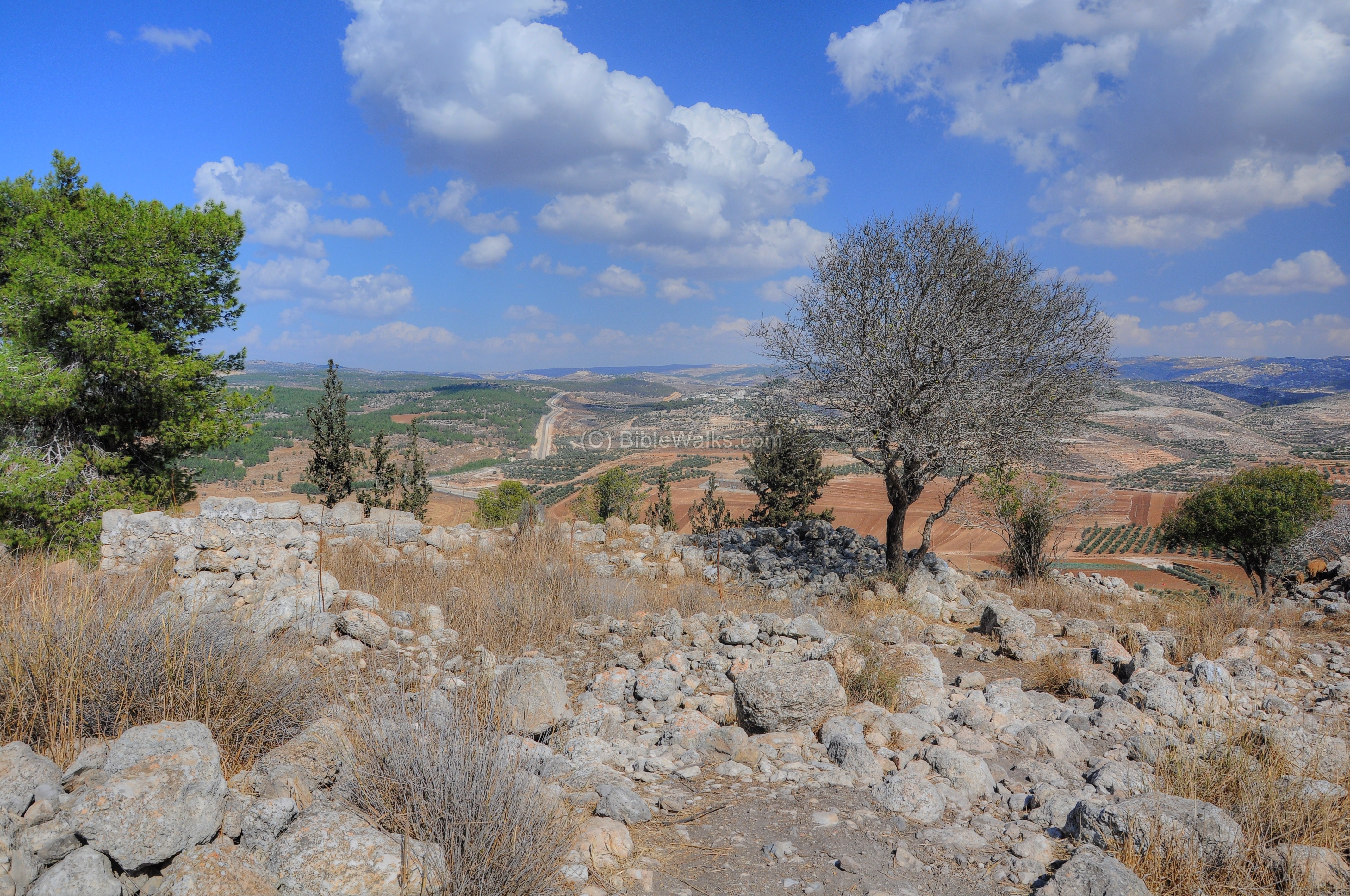
Photo Courtesy of biblewalks.com
The events that occurred in this passage have been attributed to the time when David had just become king over Israel (see 2 Samuel 5). When the Israelites fiercest enemy at that time, the Philistines, heard of David's coronation as king in the town of Hebron, they went up "in full force" to find (and presumably destroy) him, and they camped in the Valley of Rephaim. David was notified of his enemies' intent, and he removed himself beyond the encampment of the Philistines to the stronghold mount of Adullam where amongst the caves he would spend time with the Lord and inquire as to his military movements against the Philistines. David was very intentional at petitioning the Lord as to whether he should move against his enemy and the method in which he should do so. God first gave Him the blessing to attack, which David did at Baal Perazim (place which means "the lord who breaks out") and had such victory that in a hasty retreat the Philistines left their idols behind. And then a second time, David inquired of the Lord, who told the king not to make a direct assault against the Philistines, but rather they were to circle around their enemy and attack from the rear. God instructed David to wait for the sound of marching troops marching in the tops of the balsam trees as evidence that the Lord had gone before His people to strike down the Philistine army. David was obedient to the Lord's command, and God gave him such victory that he drove the enemy north and westward over 15 miles to Gibeon and Gezer. It was a huge military victory for the Israelites.
Even so, there was a period of time that David had to wait before God summoned the king to advance on the Philistines. As David awaited word from the Lord, he looked across the valley eastward from Adullam toward his homeland of Bethlehem, and he yearned for a drink of water from the well near the gate of Bethlehem. As one looks at the picture above, one can imagine David looking back toward the land where he was born and reared, longing to be there but knowing that the enemy was impeding this passionate desire. And anyone from the Israelite camp so daring to wander through the Valley of Rephaim (where the Philistines were) to Bethlehem (where a Philistine garrison was) would be doing so at almost certain risk of death. Still, three of David's mighty men heard their king and made the decision to risk their lives and break through the enemy lines in order to secure the very water of David's hometown.
When the three returned from their emboldened pursuit for the king, David refused to drink the water. He knew what great sacrifice these three made to cross enemy lines to secure what he longed to have. And instead of quickly consuming the gift to gratify himself, David instead offered the drink as a libation to the LORD. David would not treat such sacrifice with contempt, just to satisfy his own desires; he revered too much the valor and courage of the men who gave it to him. And for this reason, he gave it to the Lord.
This is a good word for us, for we see in the king a reverence for acts of love demonstrated toward him. Rather than trivializing the gift, David offered it to the Lord, who was worthy of such a gift. When we ourselves receive gifts of love and sacrifice from others, how do we respond? When we see circumstances in our lives act like formidable enemies, impeding the longings of our hearts, only then to find a friend coming to our rescue to bridge us to blessings, do we celebrate their selfless acts of kindness and devotion? And on the other hand, are we willing to place our own lives on the line to help others who are struggling with painful ordeals and yearn for the waters of blessing in their lives?
Most importantly, do we see the desires of our King, Jesus Christ, as expressed in His Holy Word, and do we desire to fulfill His longing for us by sacrificing ourselves to bring Him glory? Are we willing to put everything on the line to satisfy the longing of His heart? Much like David pouring out the water as an act of worship to the Lord, so may we see that when we serve the Lord, we are expressing through our sacrifices our worship to Him as an expression of love and thankfulness for all that He already has done and continues to do in and through us.
Most importantly, do we see the desires of our King, Jesus Christ, as expressed in His Holy Word, and do we desire to fulfill His longing for us by sacrificing ourselves to bring Him glory? Are we willing to put everything on the line to satisfy the longing of His heart? Much like David pouring out the water as an act of worship to the Lord, so may we see that when we serve the Lord, we are expressing through our sacrifices our worship to Him as an expression of love and thankfulness for all that He already has done and continues to do in and through us.
Tuesday, February 3, 2015
When Personal Benefit Sways One From Truth (and Life)
Matthew 28:12-15: "When the chief priests had met with the elders and devised a plan, they gave the soldiers a large sum of money, telling them, 'You are so say, 'His disciples came during the night and stole him away while we were asleep.' If this report gets to the governor, we will satisfy him and keep you out of trouble.' So the soldiers took the money and did as they were instructed. And this story has been widely circulated among the Jews to this very day."
Every time I read this account of the events following the resurrection of Jesus Christ, I am quite perplexed concerning the actions of the soldiers in their interaction with the chief priests in Jerusalem. These guards had been placed at the tomb by the Pharisees, who knew that Jesus had promised that after three days He would rise again. So troubled were these religious figures at the possibility of the One they called "the imposter" having his body stolen by His disciples and then venerated into the very divine one He claimed to be, that they requested that Pilate approve the posting of guards at the tomb. Pilate agreed to the Pharisee's request, and they made haste to seal the stone and to set guard over it.
All four gospels record the resurrection of Jesus Christ from the grave, but only the gospel of Matthew records the events that occurred at the time of the stone's removal. The soldiers had seen the angel of the Lord, who had come down from Heaven, rolled back the stone, and sat upon it (John's gospel uses the Greek word, hermenon, which suggests that the angel adorned with brilliant light, lifted and threw the stone away . . . a pretty powerful scene for sure!). The events were so overwhelming to the soldiers that they shook in fear and fainted, becoming like dead men. One would think that this spectacular work of our Redeeming Lord would have made such an indelible mark on the guards, that they would have at that instant given their lives to Jesus Christ as their Savior and King.
What we do find in Matthew's text is that SOME rather than all of the guards went into the city and reported to the chief priests everything that had happened (Matt. 28:11). The chief priests immediately assembled the elders for a counsel meeting and determined to manipulate these guards with fear and bribery. So darkened were these religious leaders, that rather than investigating the veracity of the events as shared by the guards, they resolved to put an end to the rumor of Jesus' resurrection. Specifically, the religious leaders told the guards present to tell people that Jesus' disciples came in the night while they were sleeping and stole the body. The priests then told the guards that they would go and appease the governor so that nothing terrible would befall them for their not fulfilling their responsibility to guard the tomb. And then to sweeten the deal, the priests offered a some of money to these guards to incentivize their lying about the circumstances. These measures by the chief priests were as dark as their prior response to Jesus raising Lazarus from the grave, when they determined to kill Jesus and to kill the raised Lazarus as well to get rid of the miraculous evidence of Jesus as the true Messiah (John 11:53; 12:10).
The fact that the guards would accept the bribe and perpetuate the lie about the events of the resurrection says much about the sinister nature of these guards. Rather than celebrating the hope of the promised Messiah, coming into the world and fulfilling the prophecies of the Old Testament (see Psalm 16:10 as an example), these guards were opportunists and self-preservationists. They saw the opportunity to exploit the situation for monetary gain and they took the offering. They too realized that their very lives could be on the line if the governor believed that they had failed their post, and so they seemed to appreciate the "graciousness" of the priests in offering to go and assuage the anger of Pilate in response to the dereliction of their duties. The consumption of "self" superceded their supportive response to Jesus as Lord. Their actions revealed who really was on the throne of their lives!
This is a good word for us today. We know that Jesus has risen from the grave; and by doing so, He has conquered sin and death. It is by His death and resurrection that we have the hope of eternal life, if we would surrender ourselves to His Lordship over us, repent of our sins against Him, and receive His offering of grace through His death and resurrection. Sadly, there will be those self-consumed opportunists who will refuse the truth because it does not bring the personal benefits that they desire most of all. Those who seek to exalt themselves and satisfy their desires above the King of kings will reply much like those certain guards who believed that the better option was to gain personal wealth and protection rather than profess Christ as Lord.
May we never find ourselves like the guards mentioned in this text; for we know that they again would see the exalted, risen Lord in eternity. And if they never yielded themselves to Christ as Lord, then the Christ that they would see would be the wrathful Judge over all, who would pronounce damnation for their cosmic treason against Him and their forsaking His offering of mercy and grace that would have saved their souls from eternal death.
Every time I read this account of the events following the resurrection of Jesus Christ, I am quite perplexed concerning the actions of the soldiers in their interaction with the chief priests in Jerusalem. These guards had been placed at the tomb by the Pharisees, who knew that Jesus had promised that after three days He would rise again. So troubled were these religious figures at the possibility of the One they called "the imposter" having his body stolen by His disciples and then venerated into the very divine one He claimed to be, that they requested that Pilate approve the posting of guards at the tomb. Pilate agreed to the Pharisee's request, and they made haste to seal the stone and to set guard over it.
All four gospels record the resurrection of Jesus Christ from the grave, but only the gospel of Matthew records the events that occurred at the time of the stone's removal. The soldiers had seen the angel of the Lord, who had come down from Heaven, rolled back the stone, and sat upon it (John's gospel uses the Greek word, hermenon, which suggests that the angel adorned with brilliant light, lifted and threw the stone away . . . a pretty powerful scene for sure!). The events were so overwhelming to the soldiers that they shook in fear and fainted, becoming like dead men. One would think that this spectacular work of our Redeeming Lord would have made such an indelible mark on the guards, that they would have at that instant given their lives to Jesus Christ as their Savior and King.
What we do find in Matthew's text is that SOME rather than all of the guards went into the city and reported to the chief priests everything that had happened (Matt. 28:11). The chief priests immediately assembled the elders for a counsel meeting and determined to manipulate these guards with fear and bribery. So darkened were these religious leaders, that rather than investigating the veracity of the events as shared by the guards, they resolved to put an end to the rumor of Jesus' resurrection. Specifically, the religious leaders told the guards present to tell people that Jesus' disciples came in the night while they were sleeping and stole the body. The priests then told the guards that they would go and appease the governor so that nothing terrible would befall them for their not fulfilling their responsibility to guard the tomb. And then to sweeten the deal, the priests offered a some of money to these guards to incentivize their lying about the circumstances. These measures by the chief priests were as dark as their prior response to Jesus raising Lazarus from the grave, when they determined to kill Jesus and to kill the raised Lazarus as well to get rid of the miraculous evidence of Jesus as the true Messiah (John 11:53; 12:10).
The fact that the guards would accept the bribe and perpetuate the lie about the events of the resurrection says much about the sinister nature of these guards. Rather than celebrating the hope of the promised Messiah, coming into the world and fulfilling the prophecies of the Old Testament (see Psalm 16:10 as an example), these guards were opportunists and self-preservationists. They saw the opportunity to exploit the situation for monetary gain and they took the offering. They too realized that their very lives could be on the line if the governor believed that they had failed their post, and so they seemed to appreciate the "graciousness" of the priests in offering to go and assuage the anger of Pilate in response to the dereliction of their duties. The consumption of "self" superceded their supportive response to Jesus as Lord. Their actions revealed who really was on the throne of their lives!
This is a good word for us today. We know that Jesus has risen from the grave; and by doing so, He has conquered sin and death. It is by His death and resurrection that we have the hope of eternal life, if we would surrender ourselves to His Lordship over us, repent of our sins against Him, and receive His offering of grace through His death and resurrection. Sadly, there will be those self-consumed opportunists who will refuse the truth because it does not bring the personal benefits that they desire most of all. Those who seek to exalt themselves and satisfy their desires above the King of kings will reply much like those certain guards who believed that the better option was to gain personal wealth and protection rather than profess Christ as Lord.
May we never find ourselves like the guards mentioned in this text; for we know that they again would see the exalted, risen Lord in eternity. And if they never yielded themselves to Christ as Lord, then the Christ that they would see would be the wrathful Judge over all, who would pronounce damnation for their cosmic treason against Him and their forsaking His offering of mercy and grace that would have saved their souls from eternal death.
Subscribe to:
Posts (Atom)


